

- Home
- Capabilities
- Plantation Project Management
Plantation projectmanagement
Structured planning, coordination, progress monitoring and risk management for large-scale durian and oil palm developments.
Why professional plantation management matters.
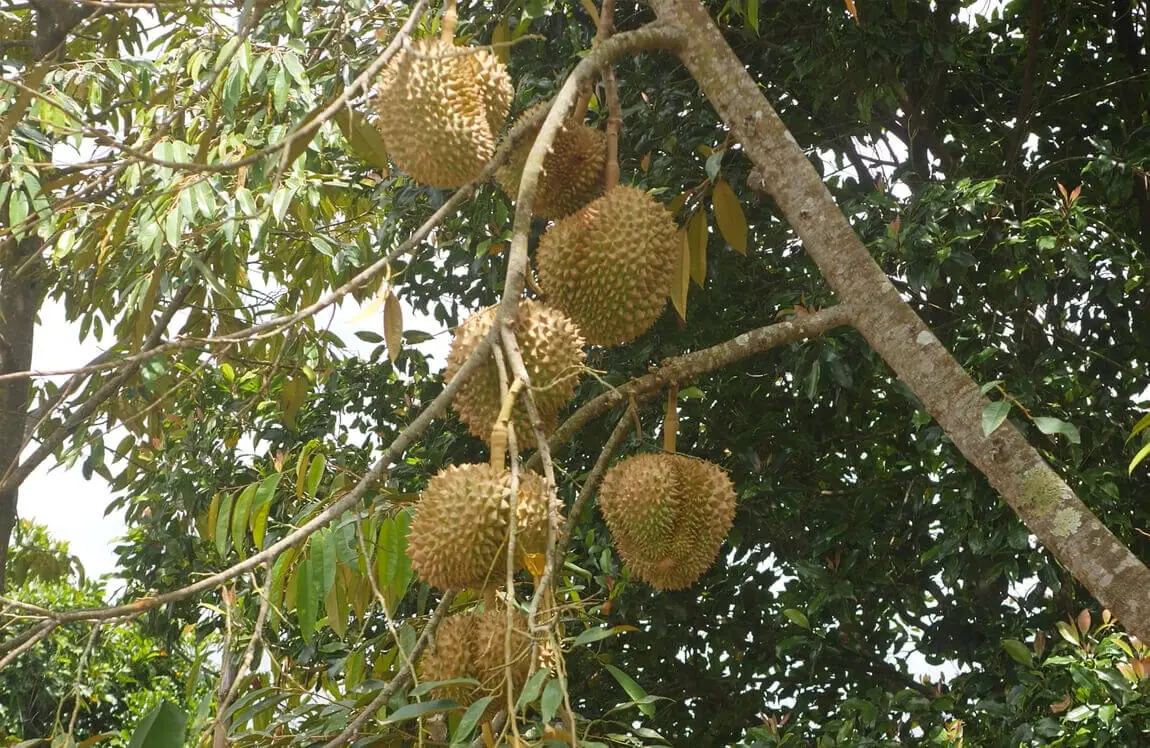
Malaysian durian is moving from traditional orchards to professional, large-scale management. Oil palm has decades of large-scale experience, manpower and data behind it; durian does not yet. Producing consistent volumes for demanding export markets therefore takes more deliberate planning and control.
Our business mission is to provide professional management that supports a plantation’s needs and monitors progress throughout the process, with risk management at every stage.
Long horizons
A plantation takes years to mature. Early mistakes in layout or planting compound over the life of the crop.
Many moving parts
Contractors, labour, machinery, inputs and weather all interact, and someone has to keep them aligned.
Capital at risk
Owners and investors need clear visibility of progress, spend and issues before they become expensive.
Demanding terrain
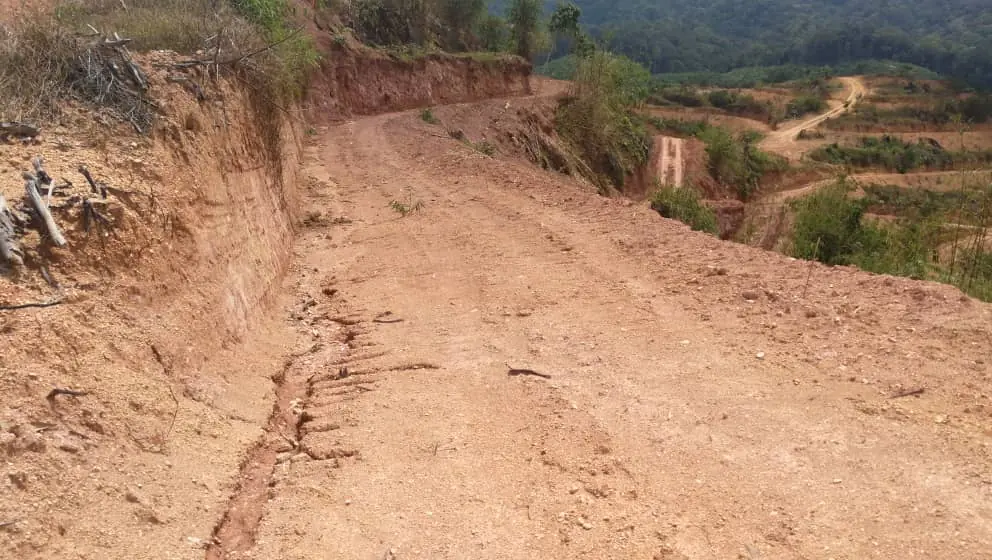
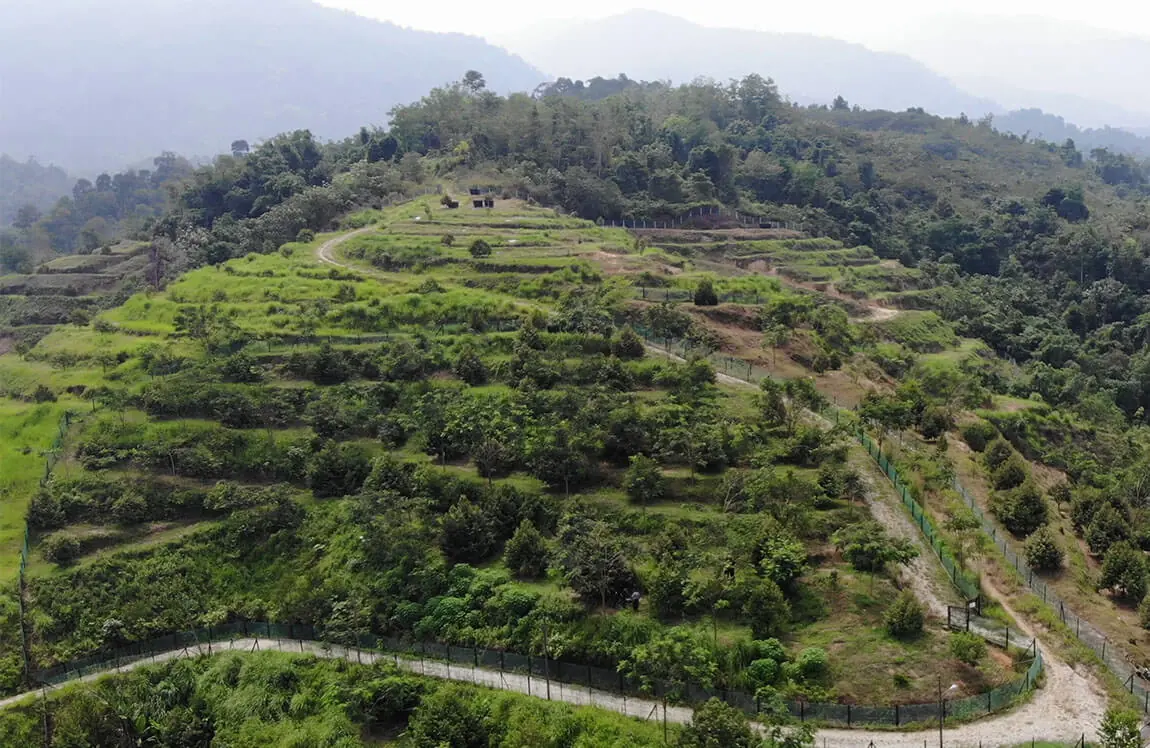
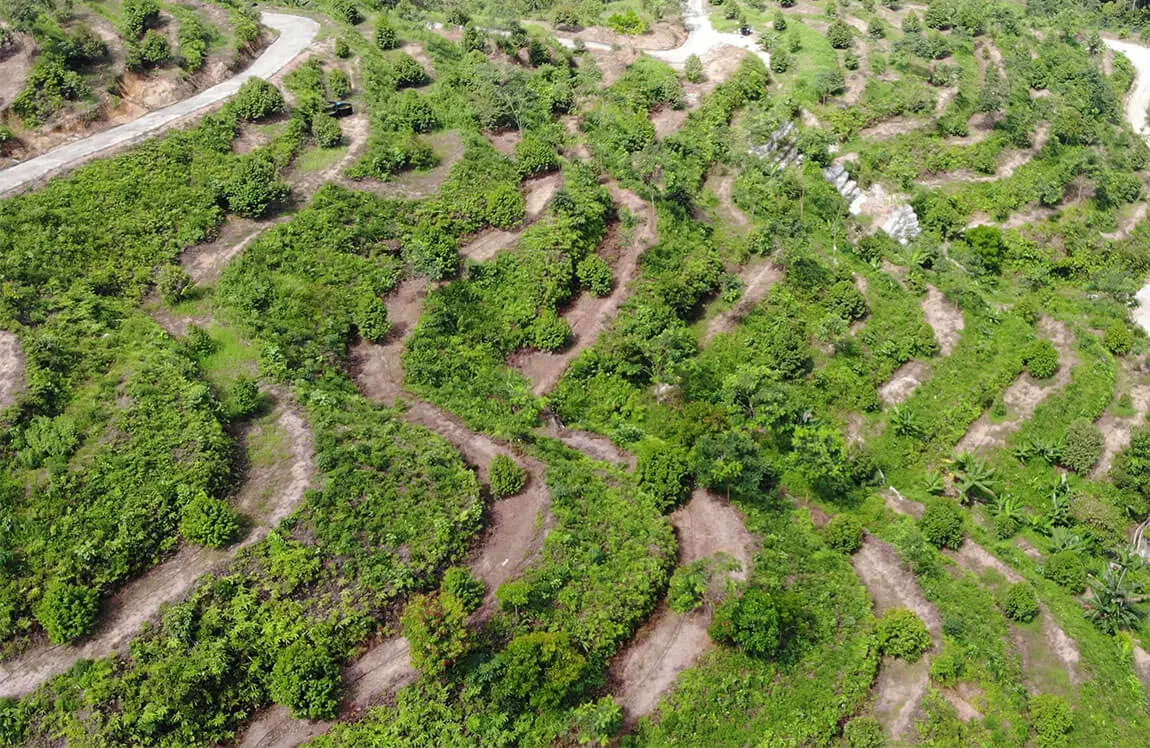
Sloping and varied land affects access, layout, erosion and cost, and needs engineering judgement.
The plantation lifecycle we manage.
Typical stages of a large plantation project. Scope and sequence are agreed for each site.
Planning
Objectives, site constraints, budget, schedule and risks.
Mobilisation
Contractors, equipment, access and site set-up.
Development
Clearing, roads, terracing and field layout.
Planting
Planting preparation and supervision.
Operations
Upkeep, inputs and labour across the blocks.
Monitoring
Progress records, observations and reporting.
Optimisation
Review results and adjust the plan.
What we manage
- Progress at every stageMonitoring progress throughout the plantation process against the agreed plan.
- Contractors and field teamsCoordinating the people and machinery that develop and maintain the land.
- RiskIdentifying and managing risk at each plantation stage, rather than reacting late.
How we work
Understand the land and the goal
Start from the site and what the owner wants to achieve. An assessment is often the first step.
Plan stages, resources and risks
Set the sequence, the team and the risk controls before work begins.
Mobilise and coordinate
Bring contractors and equipment on site and keep them aligned.
Monitor and record
Track progress and keep records that make issues visible early.
Review and improve
Use what the records show to adjust the plan.
Experience in durian and oil palm.
Our portfolio includes eight completed oil palm developments (3,373 hectares) and four durian plantation projects (3,580 acres).
Questions landowners ask
Which crops do you manage?
Where do you work?
Can you work on land that is already partly developed?
Do you guarantee yields or returns?
How do we start?
Discuss your plantation project.
Share the land location, size and crop. We will tell you how we would approach it.