

- Home
- Capabilities
- Agri-Health Assessment
Agri-healthassessment
Understand the land and the plantation before committing inputs, so that decisions are designed for purpose.
Our principle
Design for purpose — not as you think, or as you heard.
Traditional farmers are often under the impression that more fertiliser speeds up growth.
Without proper health assessment and monitoring, that habit can damage soil condition — leading to poor yields and higher project costs. At Sri Walis, we provide professional assessment services that help growers work towards healthy, productive plantations.
What an assessment may consider.
The scope depends on the site and the question being asked. A plantation assessment may look at:
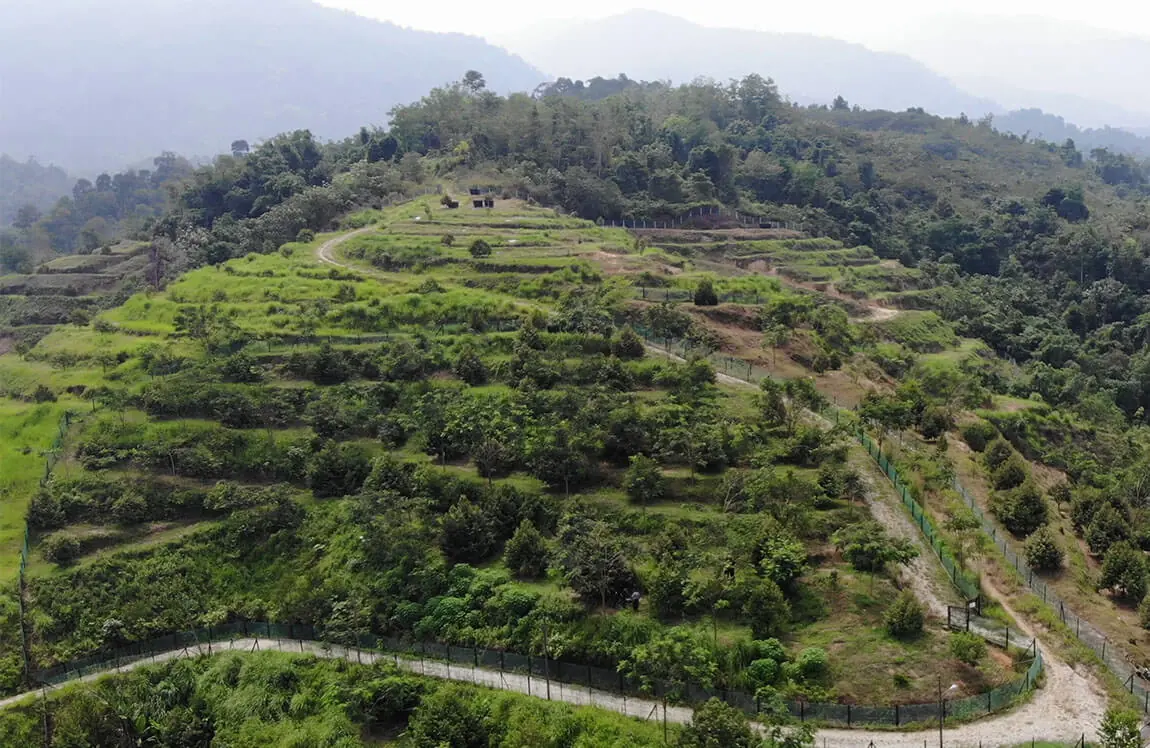
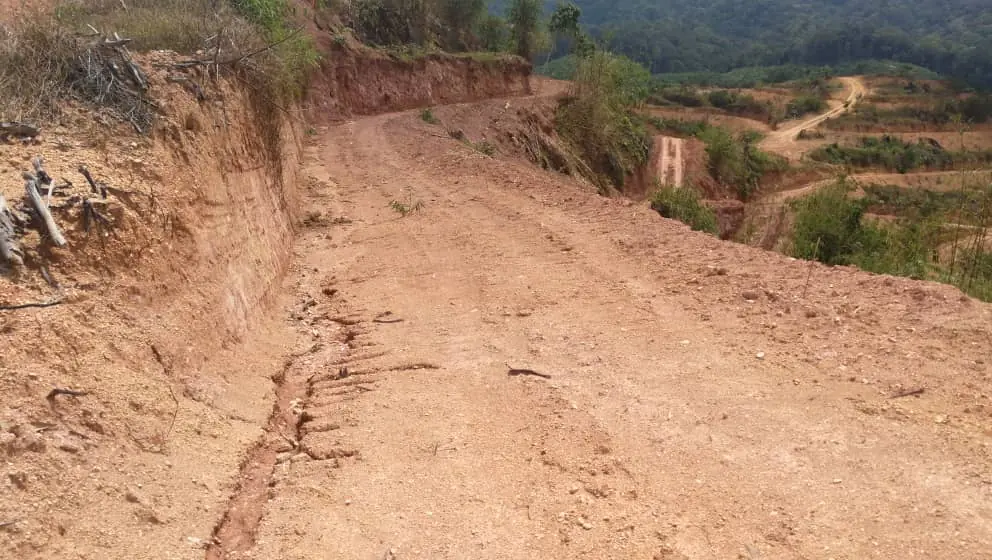
- Baseline land conditionTerrain, drainage, access and current land use.
- Soil-related observationsVisible soil condition, erosion and how inputs have been applied.
- Plantation conditionLayout, upkeep and how blocks compare with each other.
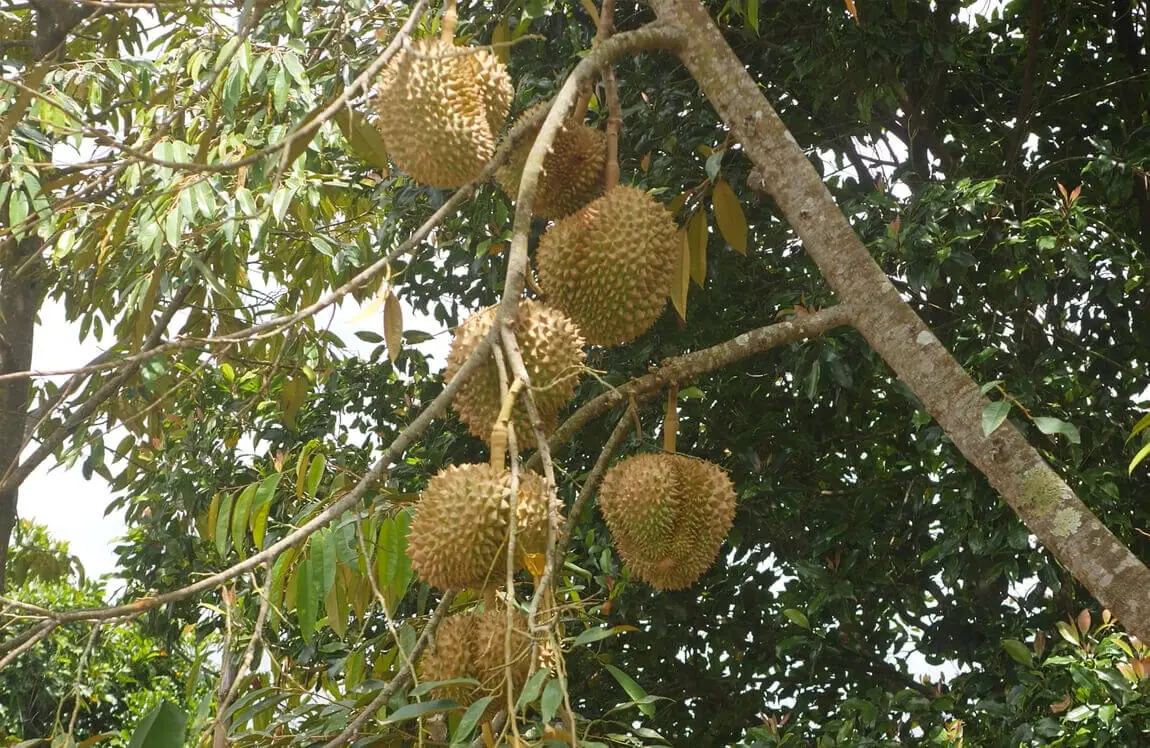
- Tree and crop observationsGrowth, vigour, flowering and fruit set.
- Environmental conditionsRainfall patterns, shade and exposure on the site.
- Agronomic monitoringTracking changes over time rather than relying on a single visit.
- Data collectionStructured records that make the next decision easier.
- Recommendations and follow-upPractical next steps, and monitoring to see whether they worked.
What Sri Walis contributes
- Assessment servicesProfessional assessment of land and plantations, for durian and other crops.
- Specialist consultantsSpecialist consultants can be arranged for land assessment.
- Research expertiseOur agriculture research specialist, Dr Chin Kit Ling, is a researcher at Universiti Putra Malaysia’s Institute of Tropical Forestry and Forest Products (INTROP).
- Field experienceDecades of practical work on oil palm and durian plantations, including land visits and suitability assessment.
How an assessment works
Enquiry
Tell us where the land is, its size and what you want to know.
Site visit
Our team, with specialist consultants where needed, visits the land.
Observations and records
We record the condition of the land and the crop.
Findings and recommendations
You receive practical next steps.
Follow-up monitoring
Where agreed, we check progress over time.
Related reading
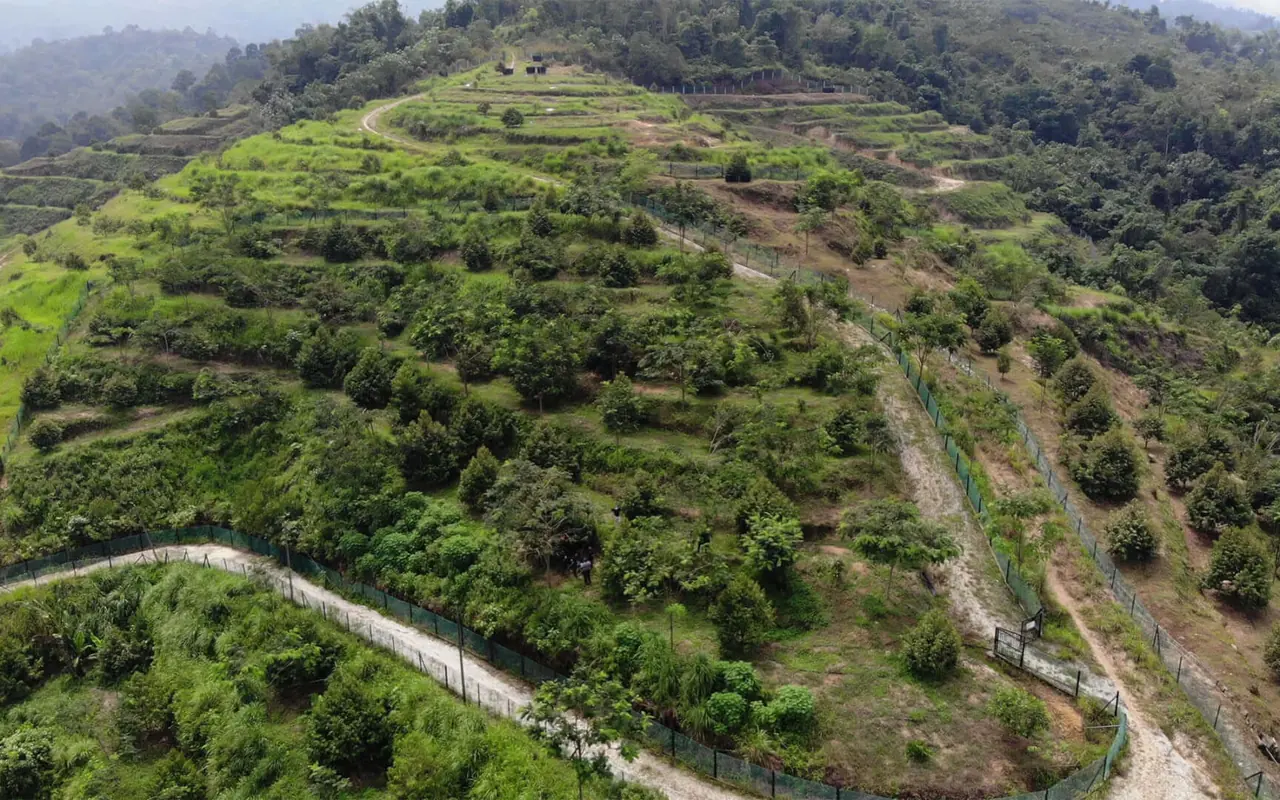 Plantation managementFrom traditional orchards to professionally managed durian plantationsWhy durian at scale needs the planning, data and risk management that oil palm developed over decades.
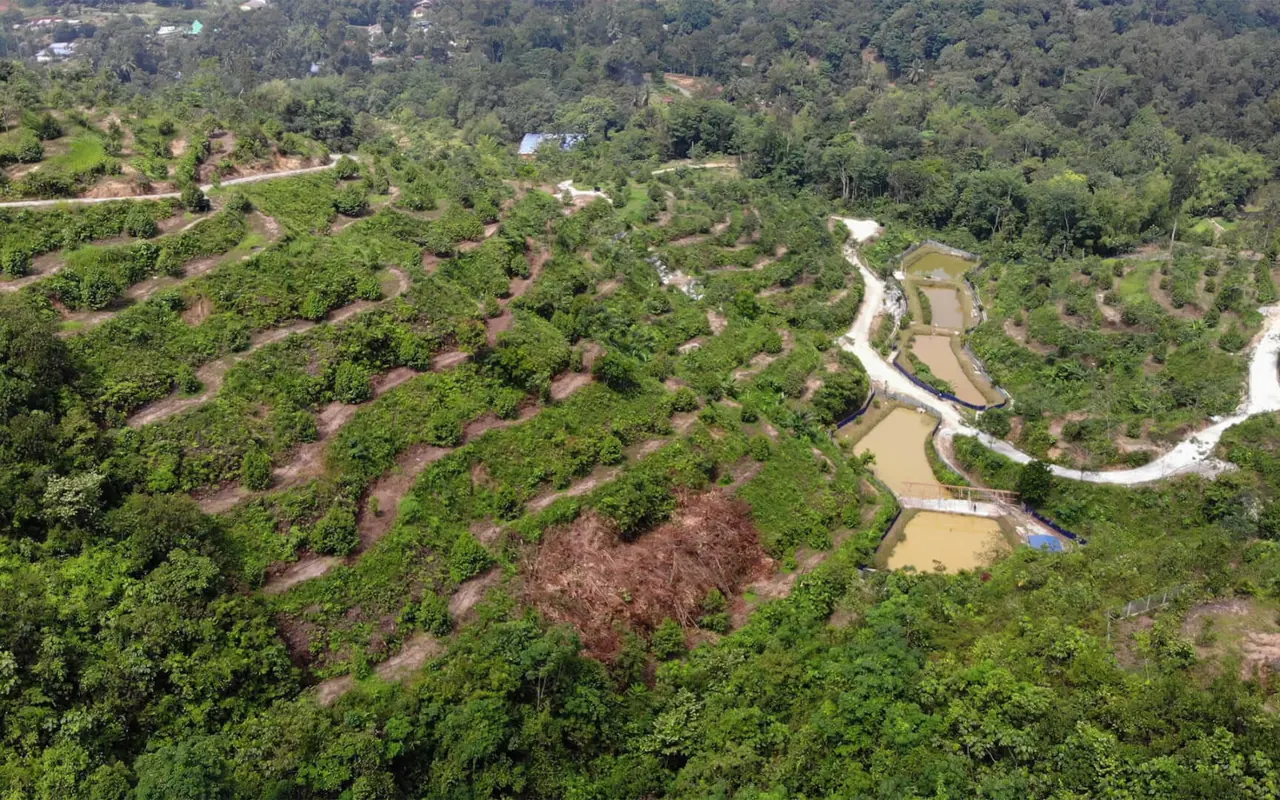 Plantation managementDesign for purpose: why assessment should come before fertiliserMore fertiliser does not mean faster growth. Without assessment and monitoring, it can damage soil and raise costs.
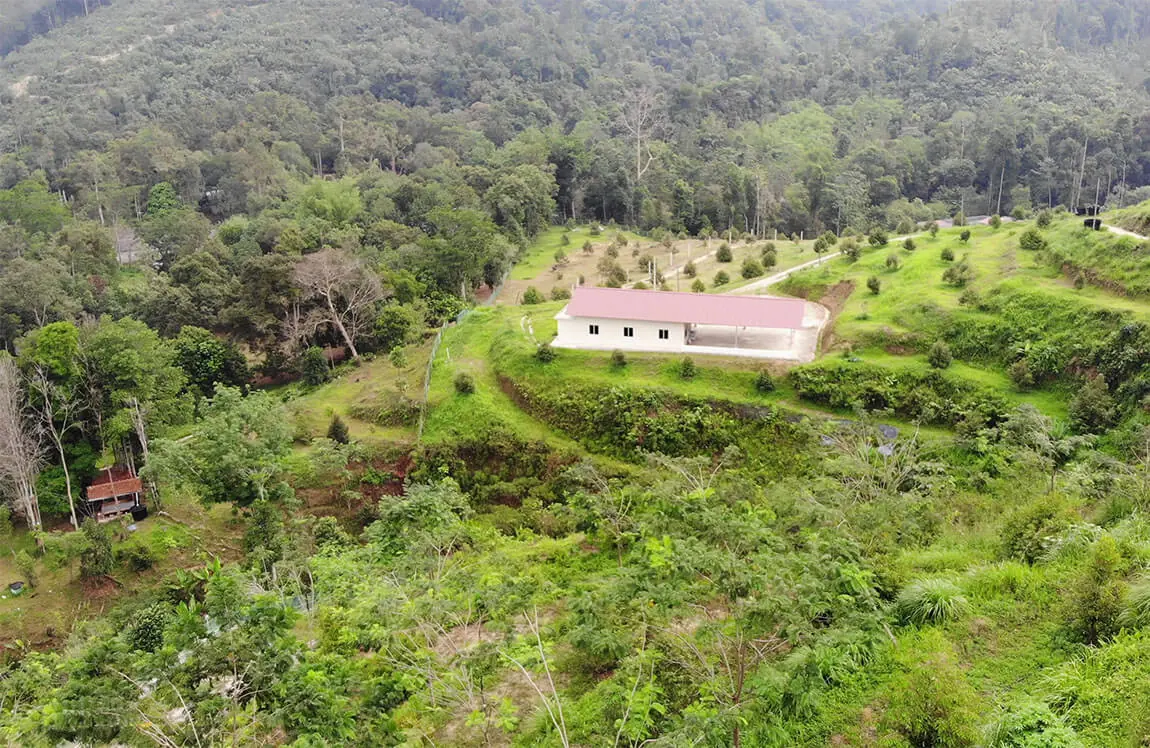
Request a land assessment.
Know the land before you invest in it. Ask about a free consultation on soil assessment.